
Market data
Kampala rents have turned in the tenant's favour — what the numbers say
Prime two-bedroom rents fell about 10% and three-bedroom rents about 9% over the year, while occupancy edged up. Here is what that means if you are renting or letting a home in Kampala today.
Yellow Bricks Uganda team · 15 September 2026 · 3 min read
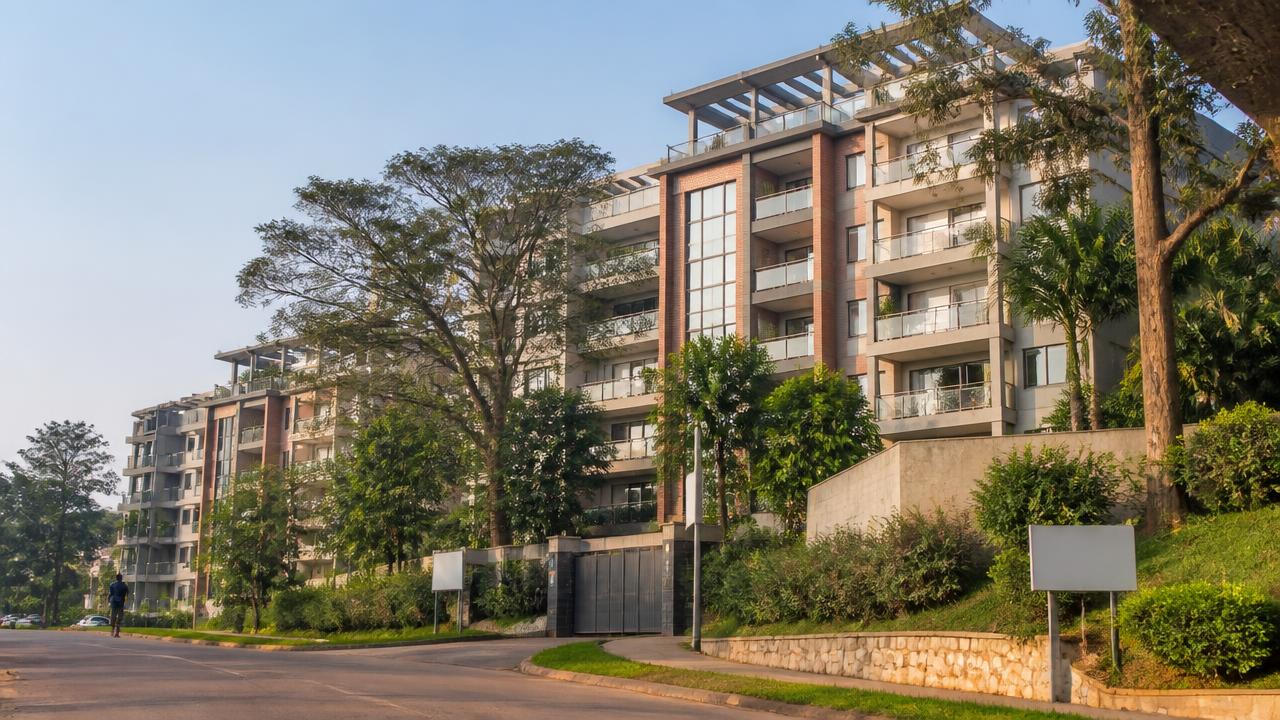
For years the story in Kampala's smart neighbourhoods was the same: not enough good apartments, so landlords named the price. Knight Frank Uganda's review of the second half of 2025 describes something different. Rents in the prime residential areas softened again, more stock arrived, homes took longer to let, and tenants gained room to negotiate.
- Average rent change for two-bedroom prime units, year on year
- -10%
- Average rent change for two-bedroom prime units, year on year
- Average rent change for three-bedroom prime units, year on year
- -9%
- Average rent change for three-bedroom prime units, year on year
- Change in average occupancy levels
- +1%
- Change in average occupancy levels
- Prime residential occupancy, unchanged from H1 2025
- ~83%
- Prime residential occupancy, unchanged from H1 2025
Source: Knight Frank Uganda, Kampala Property Market Performance Review, H2 2025. Figures describe Knight Frank's prime, professionally managed Kampala stock, not the wider market.
What actually happened
The report tracks the traditional expatriate neighbourhoods — Kololo, Nakasero, Naguru and Mbuya. Two- and three-bedroom apartment rents there fell by roughly 10% and 9% on average, driven mainly by increased stock rather than collapsing demand. Occupancy actually improved by about 1% and sat at around 83%, which tells you units are still being filled; they are simply being filled at lower rents.
Two other shifts matter. Expatriate and donor-funded demand thinned, and Ugandan nationals took up more prime homes in their place. At the same time developers began building one-bedroom units for single occupiers and cost-conscious tenants, and that new supply pulled two-bedroom rents down as tenants traded down in search of affordability.
Average year-on-year change reported for H2 2025.
Source: Knight Frank Uganda, Kampala Property Market Performance Review, H2 2025. Figures describe Knight Frank's prime, professionally managed Kampala stock, not the wider market.
That third bar is worth pausing on. Three-bedroom units in the strongest locations fell only about 1%, held up by steady demand from expatriate families and high-earning Ugandan professionals and business owners. The pain is not spread evenly: the better the address and the scarcer the format, the less the rent moved.
Longer marketing periods, and more distressed sales
The same review notes prolonged marketing periods across both sales and lettings, cautious buyers taking a wait-and-see approach, and a rise in distressed property sales, with prices achieved below asking levels. Sellers who held out for last year's numbers watched their houses sit, and some withdrew them altogether.
Occupancy up and rents down is the signature of a market with more choice in it. Choice belongs to whoever is looking, not whoever is letting.
If you are renting right now
- Ask what the unit let for a year ago. In a softening market that is a negotiating fact, not a rude question.
- Negotiate the terms as well as the rent — advance requested, notice period, who fixes what, whether service charge is included.
- Look at the newer one-bedroom stock in secondary areas such as Kyanja, Kisaasi, Najjera, Bukoto, Ntinda and Munyonyo, where the report notes steady growth and lower entry costs.
- Confirm a unit is genuinely still available before you pay anyone to view it. Stale listings waste more Ugandan tenants' money than anything else.
If you are letting a home
- Price against what is letting today, not what you achieved in 2023. An empty month costs more than a modest reduction.
- Presentation and honest photographs matter more when tenants have options.
- Be clear about what your rent includes. Ambiguity is what makes a tenant walk away and choose the flat down the road.
- Expect longer marketing periods and plan cash flow around them.
One caution about all of this. Knight Frank's figures cover prime, professionally managed apartments — a small, expensive slice of Kampala. Most Ugandans rent in the informal market, where rents are set unit by unit and no one publishes anything. Our reading is that the direction of travel in the prime segment usually shows up later, and more unevenly, further down the market. That is a reading, not data.
What this means for you
- Prime Kampala rents fell about 10% (two-bed) and 9% (three-bed) year on year, while occupancy rose about 1%.
- New supply, including one-bedroom units, is the main driver — not a collapse in demand.
- Three-bedroom homes in the best locations barely moved, down around 1%.
- Tenants have real negotiating room today; landlords should price to what is letting now.
- These numbers describe prime managed stock. The informal market, where most people rent, is not measured here.
You can read the full review from Knight Frank Uganda at knightfrank.ug. If you are letting a property, you can list it on Yellow Bricks Uganda with the rent, the advance and the fees stated up front — which is the part tenants tell us they cannot find anywhere else.
Where Yellow Bricks fits
We are a fixed-fee estate agency built for Uganda: every listing starts with a pin on the map, a drawn and measured boundary, and ownership documents reviewed before it goes live. This article is general information, not legal or financial advice — use your own lawyer and surveyor.
Keep reading
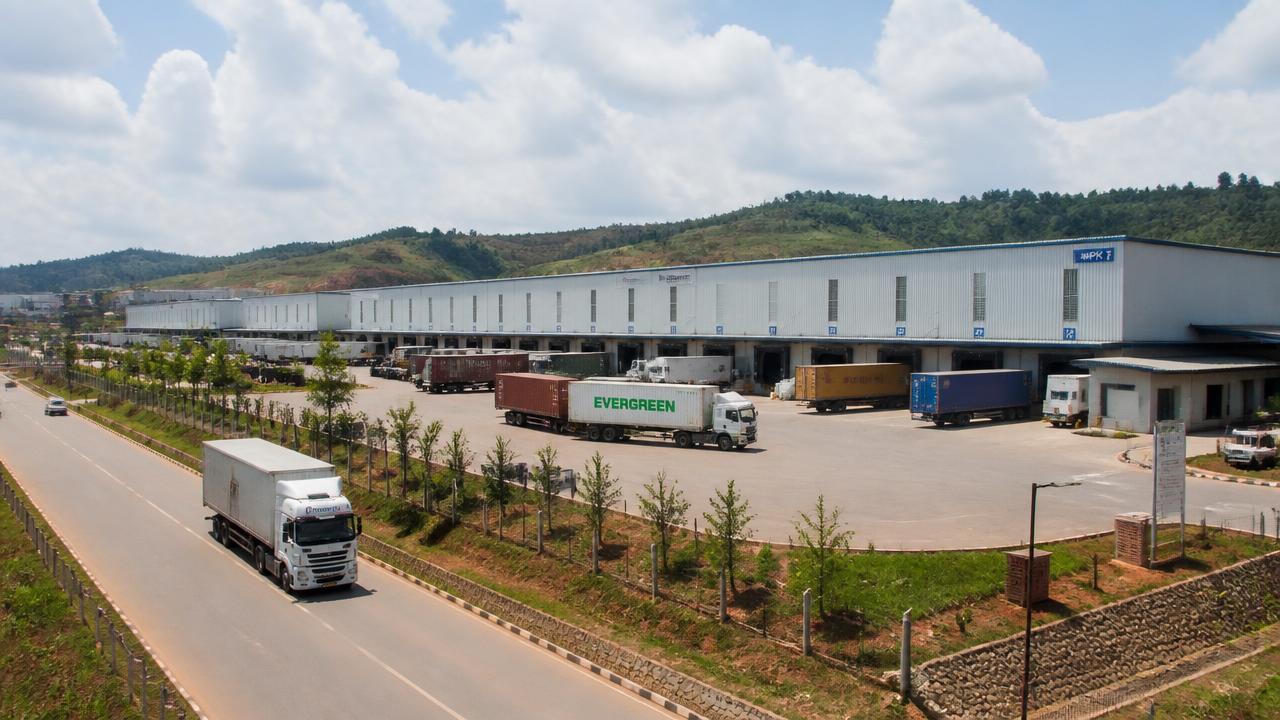
Where the money is going: warehouses and suburban retail are outperforming homes
While prime home rents fell, industrial occupancy held above 80% and mall footfall rose about 15%. A look at which parts of Kampala property are actually working, and what that means for ordinary investors.
13 September 2026 · 3 min read

What it costs to borrow for property in Uganda right now
The Central Bank Rate sat at 9.75% while banks lent shillings at an average 19.07%. Here is why property borrowing is expensive, who is getting approved, and what to ask a bank before you sign.
11 September 2026 · 3 min read

The economy behind Uganda's property market: 6.3% growth, 3.1% inflation, a steady shilling
Growth of 6.3%, inflation at 3.1%, a shilling up 2.4% and a record balance of payments surplus. The macro picture that sits underneath every rent, price and loan in Kampala.
9 September 2026 · 3 min read